
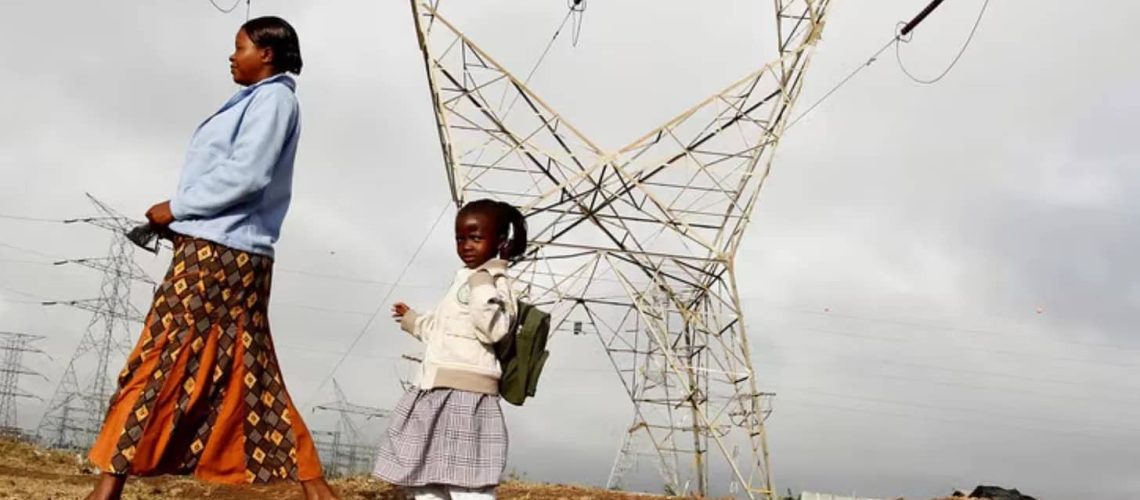
The report “Connected but Energy Poor: Why Nigeria Needs a Legal Definition of Energy Poverty” by MaryQueen Damisa (2026) critically examines the prevailing understanding and policy approach to electricity access and energy poverty in Nigeria. The core argument presented in the brief is that Nigeria’s energy policy is heavily focused on increasing access to electricity, primarily measured by grid connection rates, while neglecting the deeper issues of affordability, reliability, and actual utility of electricity for households. Current reforms emphasize expanding grid connection and improving utility financial viability, but they lack a legal or regulatory definition of “energy poverty,” creating a major policy blind spot that undermines social welfare objectives.
The report identifies a critical issue with the sector’s cross-subsidy model, which assumes a small fraction of well-off customers (Band A, roughly 15% of the population) can financially support the majority (85% in Bands B to E). This model is untenable given that increasing tariffs to improve utility liquidity often exacerbates household distress without effectively addressing structural inefficiencies in the electricity sector like poor metering, gas-supply constraints, and weak revenue collection.